
Taking a joined up approach to falls prevention
Published: 30 September 2023
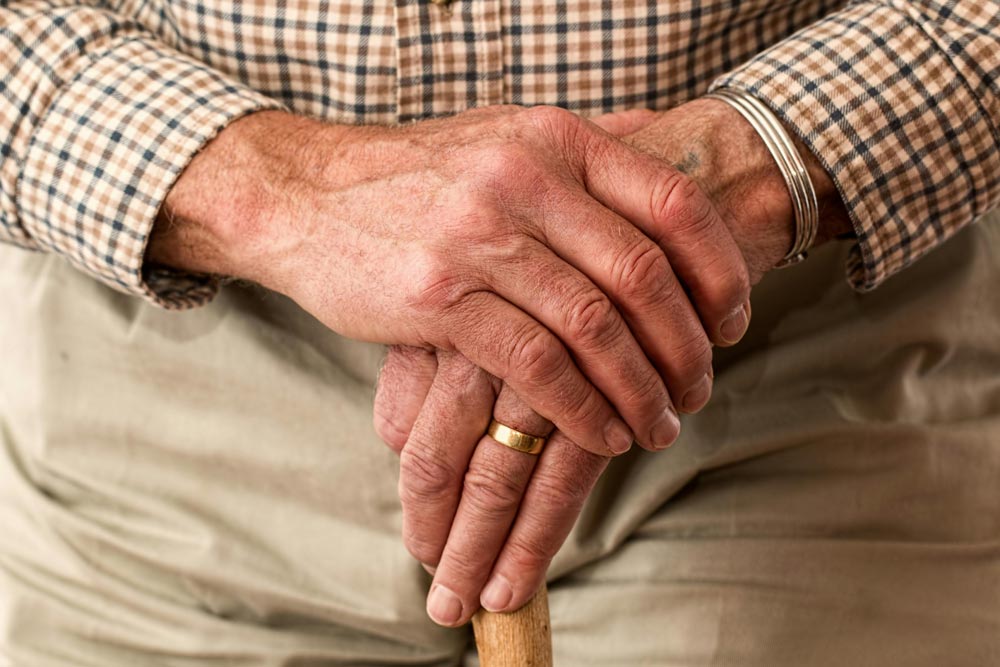
This winter, OneWolverhampton partnership is taking a joined up approach to reducing the risk of falls and helping residents to maintain their health, wellbeing and independence as they get older.
As part of a programme of work co-ordinated by the partners, a dietitian and activity coordinator will be working in care homes across the City to ensure residents are benefiting from hydration, nutrition and physical activity to support co-ordination and balance. For those who have a fall, West Midlands Ambulance Service (WMAS) will be able to directly refer patients who don’t require an ambulance, to the Care Coordination team for clinical assessment and support to prevent falls in the future.
Dr Kate Warren, Consultant in Public Health, The Royal Wolverhampton Trust, said: “Most people think that falls are an inevitable part of growing older. That isn’t the case, but each year around 1 in 3 people over 65 do experience a fall and it can really knock your confidence as well as causing physical injury. We know that staying active and strong is the best way to prevent falls, so our partnership is working across the City to promote this approach, as well as making sure we respond quickly to those who do need therapy or care after a fall.”
Staying active and strong can improve strength and balance and reduce your risk of having a fall. This can take the form of simple and enjoyable activities such as dancing, tai chi, gardening, or specialist training programmes.
Discuss any falls you have had with a GP especially if it is impacting on your health and wellbeing. They may be able to adjust your medication, check your movement and bone health and advise you of other useful services in your area.
There are a number of ways to reduce your risk of having a fall, including making simple changes to your home for example:
- immediately mopping up spillages
- removing clutter, trailing wires and frayed carpet
- using non-slip mats and rugs
- making sure all rooms, passages and staircases are well lit
- organising your home so that climbing, stretching and bending are kept to a minimum, and to avoid bumping into things
- getting help to do things you’re unable to do safely on your own
- not walking on slippery floors in socks or tights
- not wearing loose-fitting, trailing clothes that might trip you up
- wearing well-fitting shoes that are in good condition and support the ankle
- taking care of your feet by trimming your toenails regularly and seeing a GP or podiatrist (foot health professional) about any foot problems
For more information visit NHS – Falls Prevention